


Some materials are designed to look their best the day they’re installed. Others are meant to evolve. Natural stone falls into the latter.
Formed over thousands of years, natural stone doesn’t just hold up over time. It develops character, depth, and a sense of permanence that becomes more apparent with age. It’s one of the few building materials that doesn’t fight the effects of time, but instead works with them.
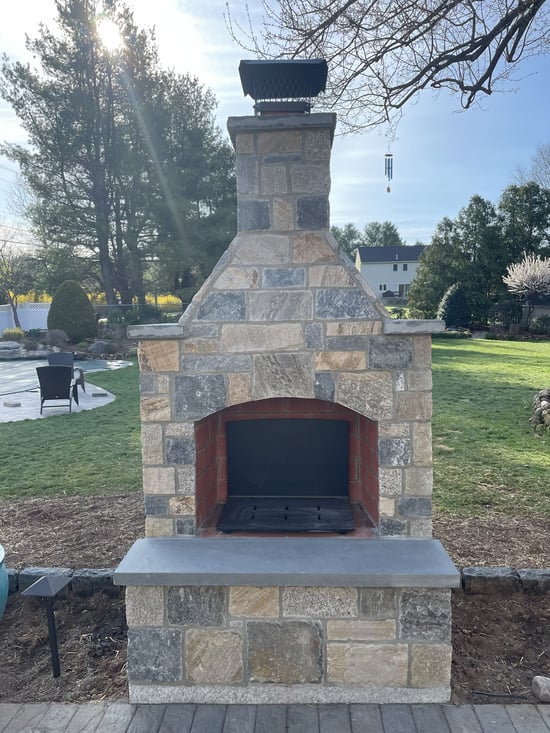
Taconic Ridge Squares & Recs Exterior Fireplace by Freddy Tomori/Tomori's Masonry (supplied by Ali's Nursery)
Designed by Nature
Natural stone isn’t a surface treatment or a finish; it’s the material itself. Because its color and texture run all the way through, what you see on day one is only the beginning. Subtle shifts in tone, exposure to the elements, and everyday use don’t diminish its appearance but rather enhance it. Over time, natural stone develops a patina , a softening and blending of color that adds richness and authenticity. It’s the same quality that gives historic stone buildings their depth and lasting appeal.
Variation that Becomes an Asset
From the start, natural stone is defined by variation. No two pieces are exactly alike, and that natural range of color and texture creates movement across a surface. As the stone ages, that variation continues to work in its favor. Rather than showing wear in a uniform or noticeable way, natural stone blends and adapts. Small changes become part of the overall look, not something that needs to be corrected or covered. The result is a material that feels more integrated into its environment over time.
.jpg?width=550&height=413&name=Liberty-Hill-Ashlar%20(1).jpg) Liberty Hill Ashlar Stone Wall (supplied by Heritage Landscape Supply/SBI Materials)
Liberty Hill Ashlar Stone Wall (supplied by Heritage Landscape Supply/SBI Materials)
Performance that Matches its Visual Appeal
Aging well isn’t just about appearance; it’s also about functionality. Natural stone is inherently durable, able to withstand weather, temperature changes, and everyday use without losing its integrity. It doesn’t rely on surface treatments or applied color, which means it maintains its structure and appearance long after installation. This durability is one of the reasons stone has been used in architecture for centuries, not just because it looks good, but also because it lasts.
Lower Maintenance, Longer Lifespan
Materials that don’t age well often require ongoing maintenance to preserve their original look. Natural stone takes a different approach. Because it’s meant to evolve, it doesn’t require constant upkeep to stay relevant or attractive. Its ability to age naturally reduces the need for repairs, replacements, or aesthetic updates over time. This makes it a practical choice for both residential and commercial projects, especially in exterior and high-use applications.
A Material that Feels More Authentic with Time
There’s a reason natural stone is often associated with timeless design. As it weathers and settles into its surroundings, it begins to feel like it belongs, to the structure and the landscape itself. Colors soften, textures become more familiar, and the overall effect is one of cohesion rather than contrast. It’s not about maintaining a “like new” appearance. It’s about creating something that continues to look right as time passes.
.png?width=550&height=550&name=Black-Ash-Ledge%20(4).png) Black Ash Ledge Outdoor Kitchen
Black Ash Ledge Outdoor Kitchen
Built for the Long-term
Natural stone is an investment in how a space will look and perform in the future. From exterior facades and outdoor living spaces, to fireplaces and interior features, it brings a level of durability and authenticity that becomes more valuable over time. While many materials aim to resist change, natural stone embraces it, and that’s exactly what makes it last.
Its color, texture, and performance work together to create a material that improves with age, developing character while maintaining strength. It’s a balance that few materials achieve, and one that continues to define its role in both traditional and modern design.
To explore natural stone collections that will stand the test of time, download our catalog here.
-2.png?width=150&height=150&name=Untitled%20design%20(2)-2.png)
COMMENTS